Antarctica is one of the few destinations that resists precision planning. You cannot arrive independently, set your own schedule, or improvise logistics on arrival. There are no marinas, no ports, and no safe anchorages in the conventional sense. Every movement — when to approach, where to land, how long to stay — is dictated by ice, weather, and regulation.
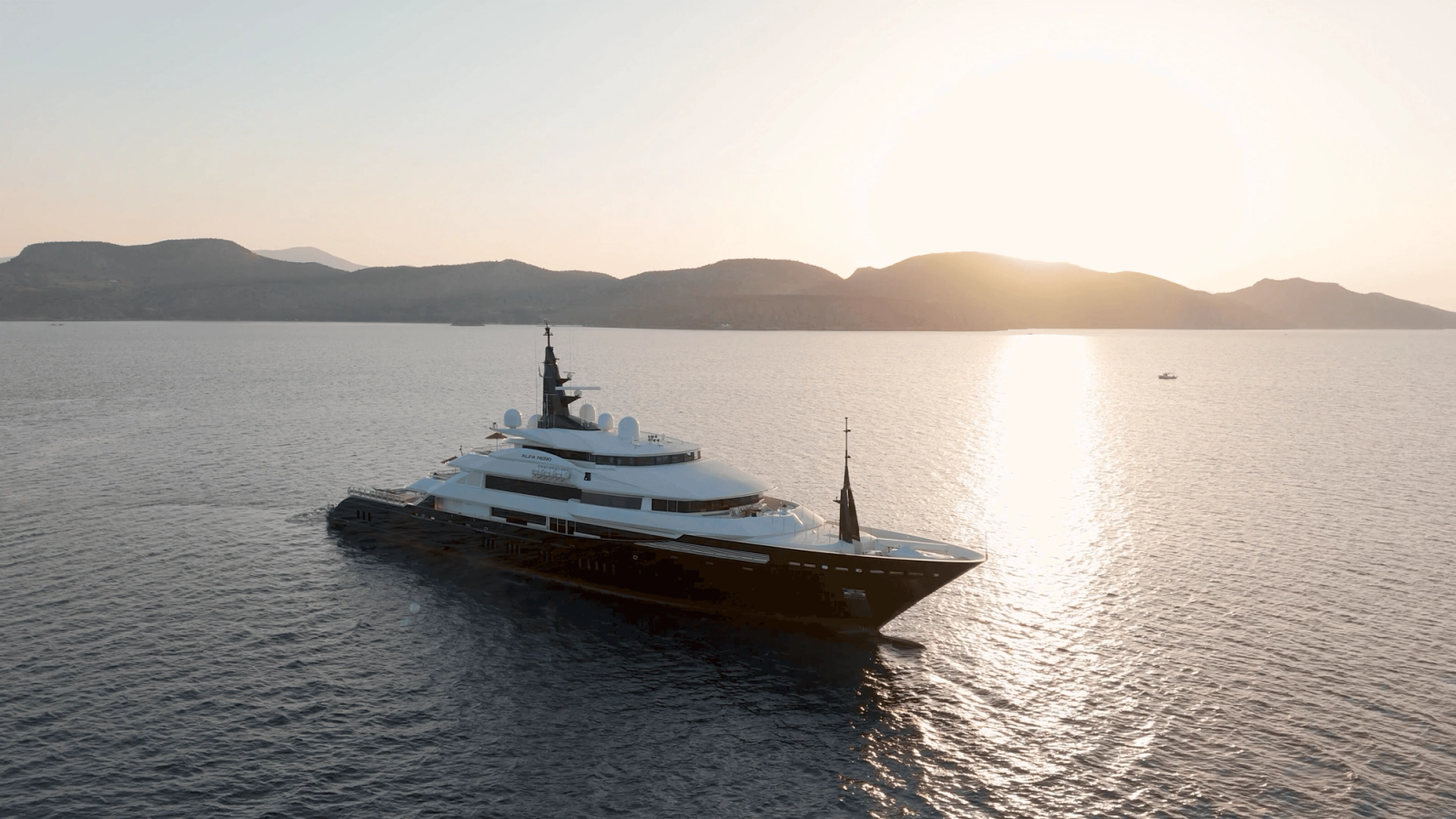
For travellers familiar with yachting, this lack of autonomy is precisely what defines Antarctica. The ship becomes not just transport, but infrastructure.
“There is no other way than by ship to go to Antarctica,” says Andrea Zito, owner of expedition cruise line Swan Hellenic. “You cannot fly there and stay somewhere. The geography doesn’t allow it.”
Most Antarctic voyages depart from Ushuaia, Argentina, crossing the Drake Passage before reaching the Antarctic Peninsula. The crossing itself functions as a filter: conditions are unpredictable, distances significant, and flexibility essential. By the time ice appears on the horizon, the operational realities of polar travel are already clear.
“You cannot decide everything in advance,” Zito explains. “In the polar regions, you play by the year, by the ice, by the weather.”
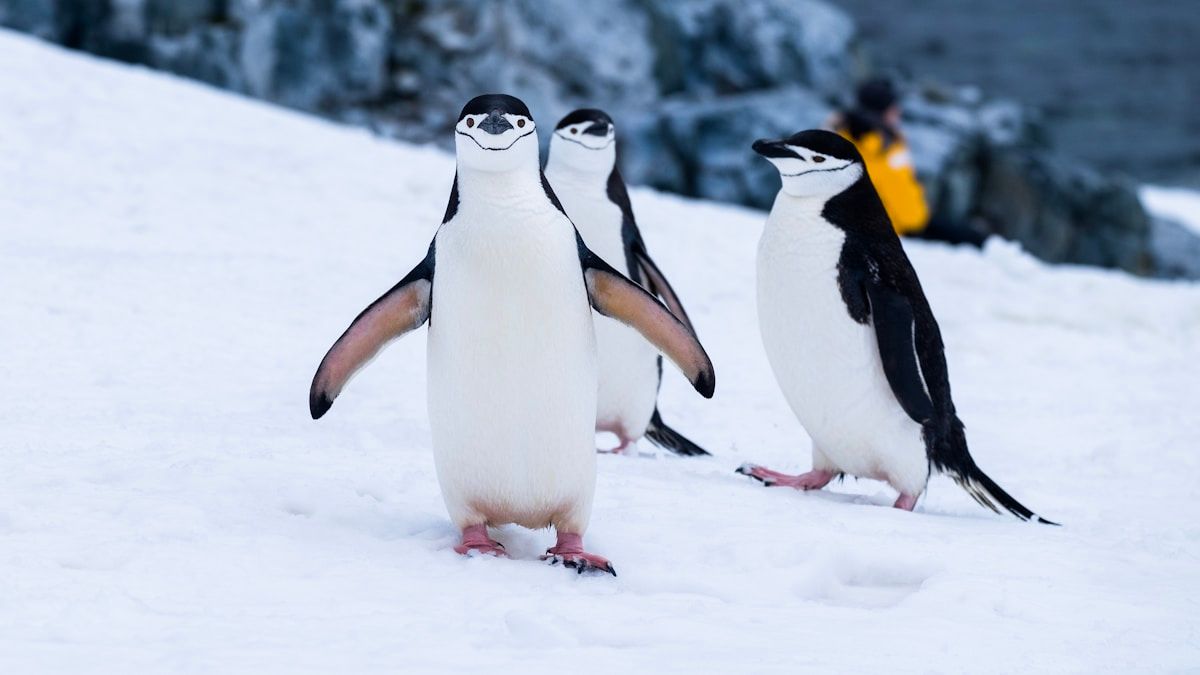
The Antarctic Peninsula is the most commonly visited region, offering navigable channels and established landing sites. Typical operating areas include the Gerlache Strait, Paradise Bay, Neko Harbour, the Lemaire Channel, and Wilhelmina Bay. Some itineraries extend further south to the Antarctic Circle or east into the Weddell Sea, where ice conditions are heavier and fewer vessels operate.

Antarctica is accessible for only four months each year, from late October to early March.
“Four months we operate in Antarctica,” says Zito. “Then the ships migrate north — like birds — to the Arctic.”
Each phase of the season changes what is possible. Early voyages encounter fresh snow and extensive ice. Mid-season brings longer daylight and increased wildlife activity. Later sailings often offer calmer seas and higher whale concentrations.
“PC-5 is the highest ice class you can have without being an icebreaker,” Zito says. “These ships are designed for polar regions from the outset, not adapted later.”
He points to safety classifications that exceed those of most yachts. “We are classed safe return to port. No single failure can leave the ship dead in the water. Everything is duplicated and separated.”
There is no infrastructure on land. All visits are conducted by Zodiac, under strict Antarctic Treaty and IAATO regulations.
“It’s expedition mode,” Zito says. “You arrive where there is nothing. And after a few hours ashore, you return to the ship.”
“Our entertainment is not shows,” Zito explains. “It’s understanding — marine biology, geology, history. It allows you to travel more deeply into the place.”
“Last year there were around 92,000 visitors in total,” says Zito. “ 40 ships trading Antarctica. That’s all.”
For those accustomed to choice and control, Antarctica offers something rarer: a destination where access is earned, not assumed. It is defined not by luxury or scale, but by capability, restraint, and respect for limits — a place where the ship is not a backdrop, but the entire reason the journey is possible.